
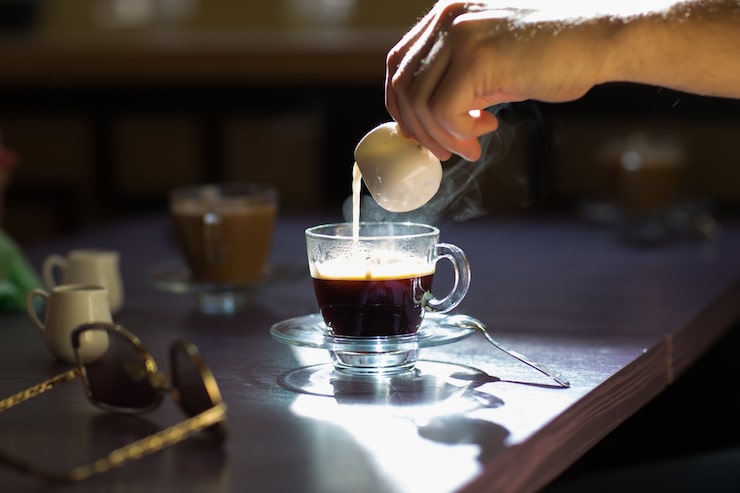
Pour over coffee has become a favorite method for those who appreciate clarity, aroma, and control in every cup. Choosing the best coffee for pour over is essential because this brewing style highlights the natural characteristics of the beans. Unlike espresso, pour over coffee allows subtle flavors to shine, making bean selection, grind size, and technique even more important. In this guide, you will learn how to choose the right coffee and master the pour over method for a consistently excellent brew.
Why Pour Over Coffee Stands Out
Pour over brewing is known for its simplicity and precision. It gives you full control over variables such as water temperature, pouring speed, and extraction time. This method produces a clean and balanced cup, allowing you to experience the true essence of the coffee bean. Because of this, high-quality beans are crucial for achieving the best results.
The process involves slowly pouring hot water over ground coffee, allowing it to extract evenly. This gentle extraction method preserves delicate flavors and aromas that might be lost in other brewing techniques.
Choosing the Right Beans for Pour Over
Selecting the right coffee beans is the foundation of a great pour over. Specialty coffee is often the best choice because it is carefully sourced and processed to maintain high quality. Websites like jayarr.coffee focus on scientific evaluation and honest reviews, helping coffee lovers find beans that deliver exceptional flavor.
Bean origin plays a significant role in determining taste. Ethiopian coffees are often bright and fruity, offering floral notes that shine in pour over brewing. Colombian beans provide a balanced and slightly sweet profile, making them a reliable choice. Kenyan coffee is known for its vibrant acidity and berry-like flavors, adding complexity to your cup.
Freshness is equally important. Coffee beans should ideally be used within two to four weeks of roasting to ensure optimal flavor and aroma. Fresh beans produce a more vibrant and enjoyable pour over experience.
Understanding Roast Levels for Pour Over
Roast level has a direct impact on how your coffee tastes. Light roast coffee is often preferred for pour over because it preserves the bean’s natural flavors, resulting in a bright and complex cup. Medium roast offers a balance between acidity and sweetness, making it suitable for a wide range of preferences. Dark roast, while less common for pour over, provides a bold and smoky flavor that some drinkers enjoy.
Experimenting with different roast levels allows you to discover what works best for your taste. Each roast highlights different aspects of the coffee, giving you a variety of experiences.
Grind Size and Its Importance
Grind size is a critical factor in pour over brewing. A medium-coarse grind is typically ideal because it allows water to flow evenly through the coffee grounds. If the grind is too fine, the coffee may become over-extracted and bitter. If it is too coarse, the result can be weak and under-extracted.
Consistency in grind size is also important. Using a burr grinder helps achieve uniform particles, which leads to better extraction and improved flavor.
Mastering the Pour Over Technique
Brewing pour over coffee requires patience and attention to detail. The process begins with blooming, where a small amount of water is poured over the grounds to release trapped gases. This step enhances flavor extraction and improves the overall quality of the brew.
After blooming, water is poured slowly in a circular motion to ensure even saturation. Maintaining a steady pouring technique helps achieve consistent extraction. The entire brewing process typically takes about two to three minutes, resulting in a clean and flavorful cup.
Exploring Flavor Profiles

One of the most exciting aspects of pour over coffee is its ability to showcase a wide range of flavors. Each cup can reveal notes of fruit, chocolate, nuts, or flowers, depending on the beans used. Understanding these flavors can enhance your appreciation of coffee and help you choose beans that match your preferences.
Learning to identify coffee tasting notes allows you to better understand what you enjoy in a cup of coffee. This knowledge can guide your choices and make your brewing experience more enjoyable and rewarding.
The Role of Water Quality
Water quality is often overlooked but plays a significant role in coffee brewing. Since coffee is mostly water, using clean and filtered water ensures that unwanted minerals or impurities do not affect the taste. The ideal water temperature for pour over is between 90 and 96 degrees Celsius, which allows for proper extraction without burning the coffee.
Common Mistakes to Avoid
Many people struggle with pour over coffee due to simple mistakes. Using stale beans can result in flat and dull flavors. Incorrect grind size can disrupt extraction, leading to an unbalanced cup. Pouring water too quickly or unevenly can cause inconsistent results. Paying attention to these details can significantly improve your coffee.
Storing Coffee Beans Properly
Proper storage is essential for maintaining freshness and flavor. Coffee beans should be kept in an airtight container and stored in a cool, dark place. Exposure to air, light, and moisture can quickly degrade the quality of the beans. Avoid storing coffee in the refrigerator, as it can absorb odors and lose its original aroma.
Conclusion
Finding the best coffee for pour over is a journey that combines knowledge, experimentation, and personal preference. By choosing high-quality beans, understanding roast levels, and mastering brewing techniques, you can create a clean and flavorful cup every time. Exploring coffee tasting notes and refining your palate will help you discover new flavors and enhance your overall experience. With practice and attention to detail, pour over coffee can become a simple yet rewarding ritual.



Leave a Reply