
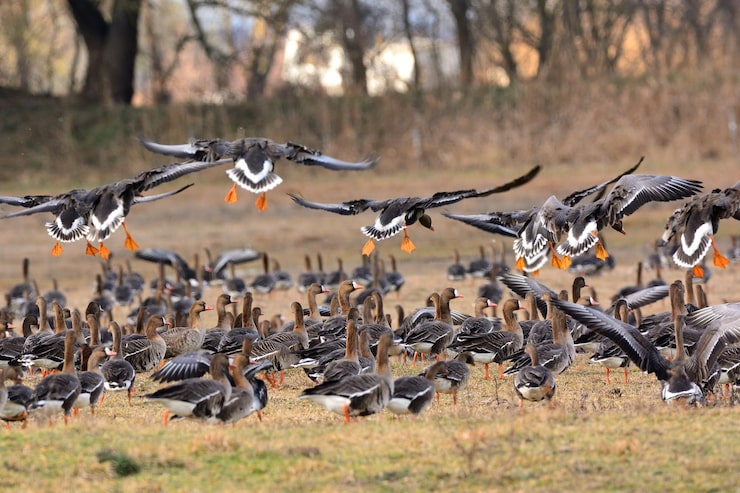
An Arkansas guided duck hunt isn’t just a hunting trip — it’s an experience that serious waterfowl hunters put on their list and talk about long after it’s over. The state’s combination of flyway geography, diverse habitat, and rich waterfowl hunting tradition creates a destination that delivers in ways other states simply can’t.
Cupped Wings Guide Service has spent years refining their guided duck hunt operation across a 22,000+ acre land base in northeast Arkansas. What they offer isn’t a generic hunting package — it’s a purpose-built experience grounded in genuine expertise and the kind of access most hunters will never have on their own.
Table of Contents
- Why Northeast Arkansas for Guided Duck Hunting
- The 22,000-Acre Advantage
- Habitat Types That Define the Hunt
- Expert Guides: What That Actually Means
- Species You’ll Target on an Arkansas Guided Hunt
- The Full Guided Hunt Experience
- FAQ
Why Northeast Arkansas for Guided Duck Hunting
The geography of northeast Arkansas is almost uniquely suited to waterfowl concentration. The Mississippi Alluvial Valley, which dominates this part of the state, represents one of the most important wintering areas for North American waterfowl.
Birds migrating south from breeding grounds across the northern Great Plains, the Canadian prairies, and even Alaska pass through or stop in northeast Arkansas. Many stay for the entire winter, drawn by the combination of flooded agricultural fields, natural wetlands, and mild weather relative to states further north.
The Flyway Position
Sitting at the intersection of the Mississippi and Central flyways gives northeast Arkansas access to birds that use both migration corridors. The diversity of species this position enables is one of the region’s most distinctive hunting characteristics.
The 22,000-Acre Advantage
Guided duck hunting is only as good as the land behind it. Cupped Wings’ 22,000+ acre operation gives their guides an operational toolkit that most outfitters simply don’t have.
Flexibility and Adaptation
Guides who hunt limited ground are constrained. When conditions change — weather shifts, birds move, a location gets heavily pressured — there are few alternatives. On 22,000 acres, the response to changing conditions is to move, not to force a hunt on unproductive ground.
Resting Prime Spots
The best duck hunting locations on any piece of ground get better when they’re rested. Hunting the same timber or field every day of the season educates birds and reduces productivity over time. With enough land to rotate, Cupped Wings preserves the quality of their top locations throughout the entire season.
Finding Fresh Birds
New birds arrive in northeast Arkansas throughout the season, particularly following cold fronts. With enough land to cover, guides can identify where fresh birds are concentrating and position hunters there rather than defaulting to yesterday’s productive spots.
Habitat Types That Define the Hunt
Arkansas guided duck hunt takes place across a genuinely diverse set of habitat types. This variety is part of what makes a multi-day trip so consistently interesting.
Flooded Hardwood Timber
This is the habitat most associated with Arkansas duck hunting in the national hunting consciousness. Standing in knee-deep water under the canopy of flooded oaks and cypress while mallards work overhead is an experience unique to this region.
Flooded Agricultural Fields
Rice and corn field hunting produces some of the highest-volume duck hunting available in Arkansas. Fields adjacent to roost wetlands can attract enormous numbers of feeding birds during peak migration.
Cypress Sloughs
These linear wetland features provide travel corridors and resting habitat for ducks moving through the landscape. Hunting slough edges and points can intercept birds that are transitioning between roosting and feeding areas.
Natural Wetlands and Impoundments
Managed impoundments with controlled water levels create premium habitat that holds birds throughout the season. These managed areas combine the best attributes of natural and agricultural habitat.
Expert Guides: What That Actually Means
The word “expert” is overused in hunting marketing. Here’s what it actually means in practice at Cupped Wings.
Knowledge of Specific Ground
Cupped Wings guides know their specific land base in a way that takes years to develop. Not just general waterfowl knowledge — specific understanding of how birds use individual timber tracts, where they enter specific fields, and how movement patterns shift across the season.
Calling at a High Level
Duck calling in timber and calling ducks to field setups are different skills with different techniques. Cupped Wings guides are proficient across the full range of calling situations they encounter on their varied land base.
Scouting as a Daily Practice
Professional guides scout constantly. Before your alarm goes off, the guide has often already been out checking conditions. Morning scouting informs every setup decision.
Safety-First Field Management
Expert guides manage group safety as a consistent baseline — not just when conditions are obviously dangerous. This professionalism is a mark of a genuinely experienced guide team.
Species You’ll Target on an Arkansas Guided Hunt
A well-timed Arkansas guided duck hunt offers remarkable species variety. Here’s what you’re likely to encounter:
- Mallards — the signature species; Arkansas timber hunting is built around them
- Gadwall — extremely common and fine table birds
- Pintail — beautiful, fast, and always exciting
- Teal (blue-winged and green-winged) — early and late season targets
- Wigeon — active in agricultural environments
- Wood ducks — timber hunters encounter these regularly
- Diving ducks — canvasback, redhead, and others on larger water features
Mixed bag days are a genuine highlight of Arkansas hunting — the variety keeps every shooting decision interesting.
The Full Guided Hunt Experience
An Arkansas guided duck hunt at Cupped Wings covers the complete experience:
Pre-hunt evening: Arrival at the lodge, dinner, orientation and tomorrow’s plan review.
Hunt morning: Pre-dawn breakfast, guide briefing, transportation to the hunting location, decoy setup and positioning, hunting from legal shooting time, return to the lodge.
Post-hunt: Bird collection, processing, lunch, afternoon rest, dinner, preparation for the next morning.
The rhythm repeats across however many days you’ve booked, with guides adjusting locations and strategies based on fresh conditions each day.
FAQ
- How long does a typical Arkansas guided duck hunt last each day?
Most guided duck hunts run from legal shooting time (about 30 minutes before sunrise) through mid-morning. Four to five hours in the blind is typical, though this varies by conditions and bird activity. - What licenses do I need for an Arkansas guided duck hunt?
An Arkansas hunting license, a federal Duck Stamp, and an Arkansas Waterfowl Permit are required. Non-residents have specific license requirements — verify current requirements with the Arkansas Game and Fish Commission. - Is there a best time to book for peak mallard hunting?
December and January typically represent the peak of mallard concentrations in Arkansas timber. Book these dates as far in advance as possible. - What shotgun and load should I use?
A 12-gauge with non-toxic shot is standard. Steel, bismuth, or other approved non-toxic loads in #2 or #4 for ducks are typical choices. Guides can advise on specific load recommendations. - What weather conditions produce the best duck hunting?
Cold fronts that push birds south are the most reliable indicator of excellent hunting. Overcast, slightly windy mornings tend to produce more active bird movement than clear, calm days.
Conclusion
An Arkansas guided duck hunt with Cupped Wings represents one of the premier waterfowl experiences available to hunters in North America. The habitat is exceptional, the bird numbers are real, the guides are genuinely skilled, and the operation is set up to deliver a complete, memorable trip.
Whether this is your first visit to Arkansas or you’re returning for another season, the 22,000-acre land base and professional guide team give you the best possible foundation for the kind of hunt that you plan for a year and remember for a lifetime.


Leave a Reply