
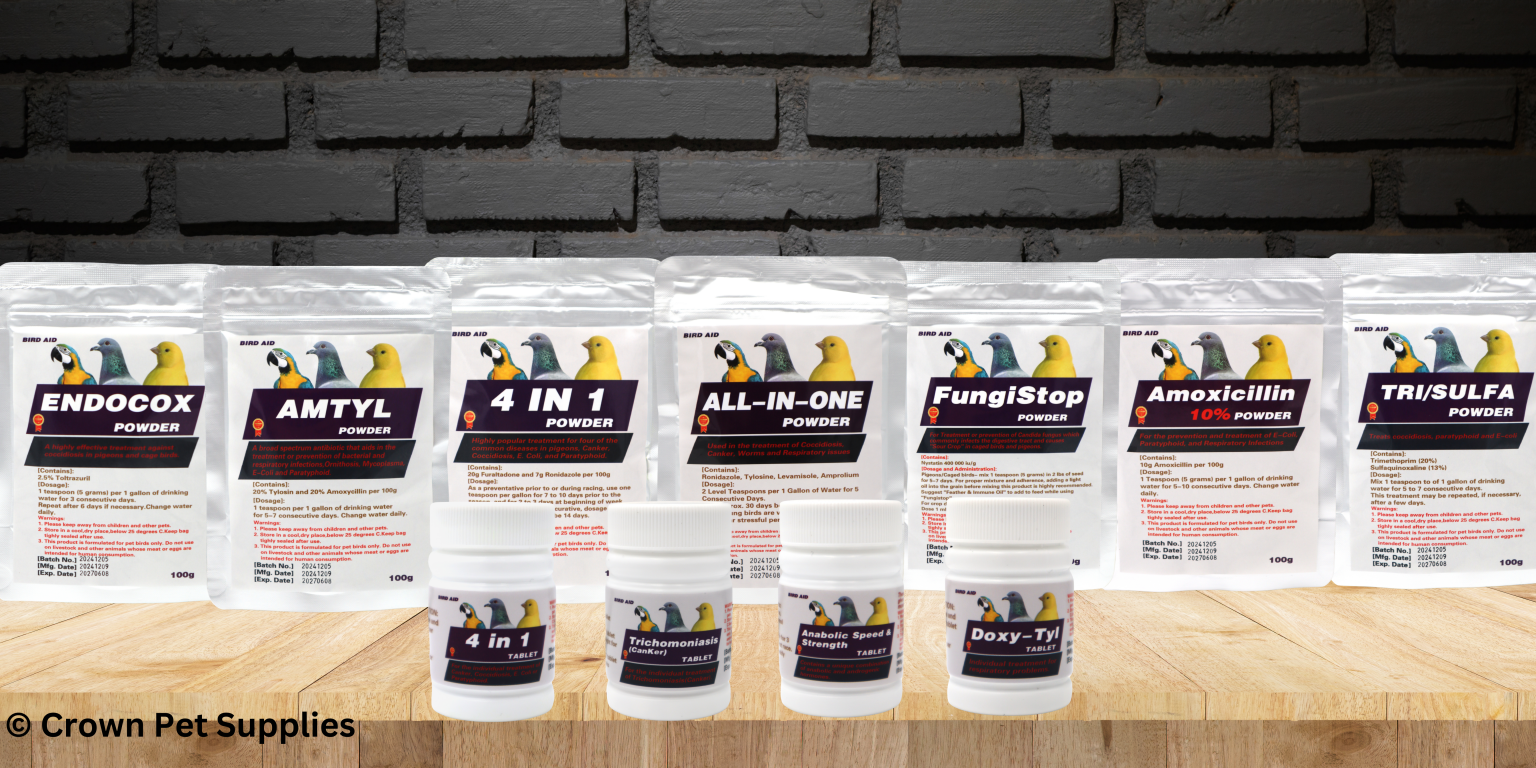
Raising chickens is a balance of nutrition, environment, and timely care. Even with quality commercial feed, modern flocks often face stressors that can quietly undermine health and productivity. Heat waves, seasonal changes, molting, illness, and the natural variability of free-range diets all increase nutritional demands. This is where electrolytes for chickens and targeted chicken vitamins become invaluable. Used together, they help maintain hydration, reinforce immune defenses, and support consistent growth and egg production. By supplementing wisely, poultry keepers can bridge nutritional gaps and help their birds perform at their natural best.
Understanding the role of electrolytes and vitamins in poultry health
Chickens have fast metabolisms and relatively small body reserves. That makes them efficient but also sensitive to imbalances. Electrolytes are minerals that carry an electrical charge and regulate fluid balance, muscle contraction, and nerve function. Vitamins, on the other hand, act as catalysts for countless metabolic processes, from immune response to bone formation.
When birds experience stress, they lose fluids and minerals more quickly, and their vitamin requirements increase. Combining electrolytes for chickens with chicken vitamins helps stabilize these internal systems and prevents small issues from snowballing into serious health problems.
How they work together
- Electrolytes quickly correct dehydration and mineral loss, restoring normal physiological function.
- Chicken vitamins support longer-term health by improving nutrient absorption, immunity, and tissue repair.
- Hen vitamins are specially formulated for laying birds, adding extra calcium and phosphorus to support strong eggshells and skeletal health.
Research and field observations from poultry experts consistently show that birds receiving appropriate supplementation during stress periods recover faster, lay more consistently, and experience lower mortality rates.
Key vitamins every flock needs
A balanced chicken vitamins supplement typically focuses on the most critical vitamins for poultry health. Understanding their roles helps you appreciate why supplementation is so effective.
Vitamin A
Essential for healthy skin, eyes, and mucous membranes, vitamin A strengthens the first line of defense against respiratory and digestive infections. Deficiency can lead to poor growth and increased disease susceptibility.
Vitamin D
Vitamin D regulates calcium and phosphorus absorption. For laying hens, this is non-negotiable. Without adequate D, even calcium-rich diets cannot prevent soft-shelled eggs, thin shells, or bone weakness.
Vitamin E
A powerful antioxidant, vitamin E protects cells from oxidative stress and supports immune and reproductive health. It is particularly important during periods of stress or rapid growth.
B-complex vitamins
The B vitamins drive energy metabolism, appetite, feather quality, and nervous system function. They are especially helpful during molt, recovery from illness, or after antibiotic treatments that may disrupt gut health.
Many hen vitamins also include trace minerals like zinc, manganese, and selenium, which work alongside vitamins to support immunity, bone development, and egg production.
When electrolytes for chickens are most beneficial
Electrolytes are best viewed as a rapid-response tool. They are not meant to replace daily nutrition but to stabilize birds during specific challenges.
Common scenarios for electrolyte use
- Heat stress: High temperatures cause panting and rapid fluid loss. Electrolytes help birds rehydrate and maintain egg production.
- Digestive upset: Diarrhea quickly depletes fluids and salts; electrolytes prevent dehydration and weakness.
- Transport or environmental changes: Moving birds or introducing them to new housing can cause stress-related dehydration.
- Post-vaccination or illness: Birds may temporarily eat or drink less; electrolytes support recovery during this dip.
Electrolytes for chickens are typically added to drinking water, making them easy to administer and fast-acting.
Supplementing in free-range and organic systems
Free-range and organic flocks enjoy diverse diets, but that diversity comes with variability. Seasonal changes affect forage quality, and insects or plants may not always supply consistent vitamin levels. In these systems, chicken vitamins act as nutritional insurance.
Hen vitamins are particularly important for free-range layers. While hens may find natural calcium sources, supplementation ensures they consistently meet the demands of frequent egg laying. Proper vitamin and mineral balance helps prevent issues like brittle bones, soft-shelled eggs, and production slumps.
Choosing the right supplements and using them correctly
The effectiveness of supplementation depends on quality and proper use.
Practical guidelines
- Form matters: Liquid supplements mix easily into water and are ideal for short-term use during stress. Powders can be mixed into feed or water and are often cost-effective for routine support.
- Follow dosage instructions: More is not better. Over-supplementation can disrupt mineral balance or reduce feed intake.
- Use electrolytes short-term: A few days during heat stress or illness is usually sufficient.
- Tailor vitamins to flock type: Growing chicks, broilers, and laying hens have different needs. Choose hen vitamins for layers and general chicken vitamins for mixed flocks.
Reputable suppliers such as Crown Pet Supplies offer poultry-specific formulations in palatable forms, ensuring birds consume the full dose without fuss.
Expected benefits and realistic outcomes
When electrolytes for chickens and chicken vitamins are used strategically, poultry keepers often observe:
- Improved hydration and quicker recovery during heat or illness.
- Stronger eggshells and fewer laying problems in hens receiving hen vitamins.
- More consistent egg production, with some studies noting increases of up to 15% in supplemented flocks under stress.
- Reduced mortality rates in challenging conditions.
- Better feather quality and body condition during and after molt.
It’s important to remember that supplements enhance, not replace, good management. Clean water, balanced feed, ventilation, sanitation, and regular observation remain the foundation of flock health.
Conclusion
Electrolytes for chickens and high-quality chicken vitamins are simple yet powerful tools for supporting flock health in real-world conditions. Whether your birds are coping with summer heat, recovering from illness, or navigating the nutritional variability of free-range living, thoughtful supplementation can make a measurable difference. Hen vitamins help laying birds maintain strong shells and bones, while electrolytes provide rapid relief during periods of stress. When combined with solid husbandry practices and used according to guidelines, these supplements contribute to healthier birds, steadier egg production, and a more resilient flock overall.


Leave a Reply