
One of the biggest challenges for off-grid solar systems is dealing with the unpredictability of Mother Nature. Most standard batteries have a “Goldilocks” zone where they operate happily, typically between 50°F and 80°F. Step outside this narrow window, and performance plummets, or worse, the battery suffers permanent internal damage that renders it useless.
For those living in high mountains, desert plains, or northern latitudes, this temperature sensitivity is a major operational hurdle. This is where the rugged constitution of the Nickel-Iron Battery proves its worth, acting as an all-terrain vehicle for energy storage. Designed originally for industrial use, it thrives in environments that would freeze a lead-acid battery solid or cook a lithium cell to death.
Freezing Conditions and the Edison Battery
Winter is the enemy of lead-acid chemistry; as the charge drops, the electrolyte becomes more water-like and can freeze, cracking the case. This forces owners to keep their batteries in heated spaces, wasting precious energy just to keep the bank alive. Alkaline batteries, however, utilize a potassium hydroxide solution that has a naturally low freezing point, allowing them to function in sub-zero temperatures without risk of freezing or cracking.
Capacity Retention in the Nickel-Iron Battery
In extreme cold, chemical reactions slow down, causing most batteries to appear dead even when they are charged. While alkaline chemistry also slows down, it retains a functional voltage curve that allows you to pull power when you need it most. You won’t experience the sudden voltage collapse common in other batteries, ensuring your heating pumps and lights stay on during the coldest nights of the year.
The Edison Battery and Snow Days
Winter also means shorter days and potentially weeks of snow cover where solar intake is minimal. This scenario often forces batteries to sit in a partial state of charge for extended periods, which causes sulfation in lead-acid units. The alkaline design is immune to this sulfation effect, meaning it can sit partially charged or even empty for weeks during a blizzard and bounce back immediately once the sun returns.
High Heat Performance of the Nickel-Iron Battery
On the other end of the spectrum, extreme heat is equally destructive, accelerating corrosion and drying out sealed batteries. Lithium batteries are particularly sensitive to heat, often requiring air conditioning cooling loops to prevent degradation. The steel-encased alkaline cells act as a heat sink and are chemically robust enough to withstand ambient temperatures well above 100°F without shortening their lifespan.
The Nickel-Iron Battery in Desert Solar
For off-gridders in Arizona, Nevada, or Texas, the ambient temperature in a battery shed can easily exceed safe limits for standard gear. Using a battery that requires active cooling defeats the purpose of an off-grid system by increasing the parasitic load. These alkaline units can be installed in simple shaded structures, enduring the sweltering heat of the day while continuing to cycle reliably for decades.
Resilience of the Edison Battery Design
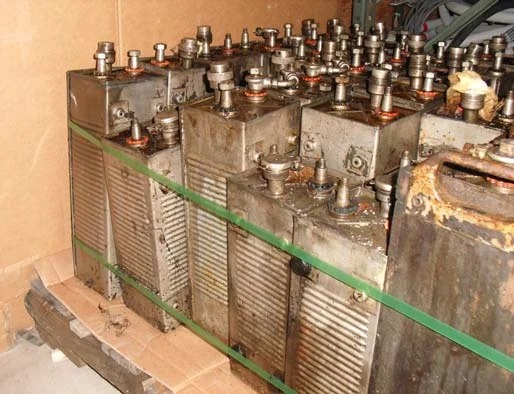
The physical construction contributes to this weather resistance; the cells are housed in nickel-plated steel, not brittle plastic. Plastic casings can become brittle in the cold and soft in the heat, leading to structural failures over time. The steel casing expands and contracts without failure, ensuring the electrolyte stays inside and the terminals remain secure regardless of the thermometer reading.
Weather Resistance of the Nickel-Iron Battery
These features make it the only viable option for unconditioned spaces and harsh climates.
- Freezing: Electrolyte resists freezing down to very low temperatures.
- Heat: Tolerates high ambient heat without accelerated degradation.
- No Heating Needed: Eliminates the need for wasted power on battery heating pads.
- Storage: Can be left in unheated cabins over winter without damage.
- Cycling: Maintains cycle life even when used in temperature extremes.
- Case: Steel casing is impervious to temperature-induced cracking.
- Recovery: Recovers full capacity after temperature extremes normalize.
- Reliability: Provides consistent voltage for critical loads in storms.
- Maintenance: Easy to top up water evaporated during hot summer months.
Conclusion on the Edison Battery for Weather
Designing a power system for a controlled laboratory environment is easy, but the real world is messy and extreme. If your lifestyle takes you to the edges of the map where the weather is fierce, you need equipment that matches that intensity. Relying on delicate batteries that need to be babied with heaters and air conditioners is a recipe for frustration and failure.
The Edison Battery stands alone as the storage medium that embraces the elements rather than hiding from them. It delivers power when the mercury drops and when the heat waves strike, asking for nothing in return but basic maintenance. It is the ultimate survivalist component, ensuring that no matter what the weather report says, your home remains powered and secure.


Leave a Reply